One of the First Questions Travelers Ask
When people plan a first trip to Japan, one question comes up again and again: do you tip? In many countries, tipping is expected and even required, so it feels strange to imagine skipping it. In Japan, the answer is refreshingly simple. Tipping is not part of the culture, and in most situations you should not tip at all. Here is a clear guide to why, so you can travel with confidence and respect local custom.
The Short Answer: No, You Do Not Tip
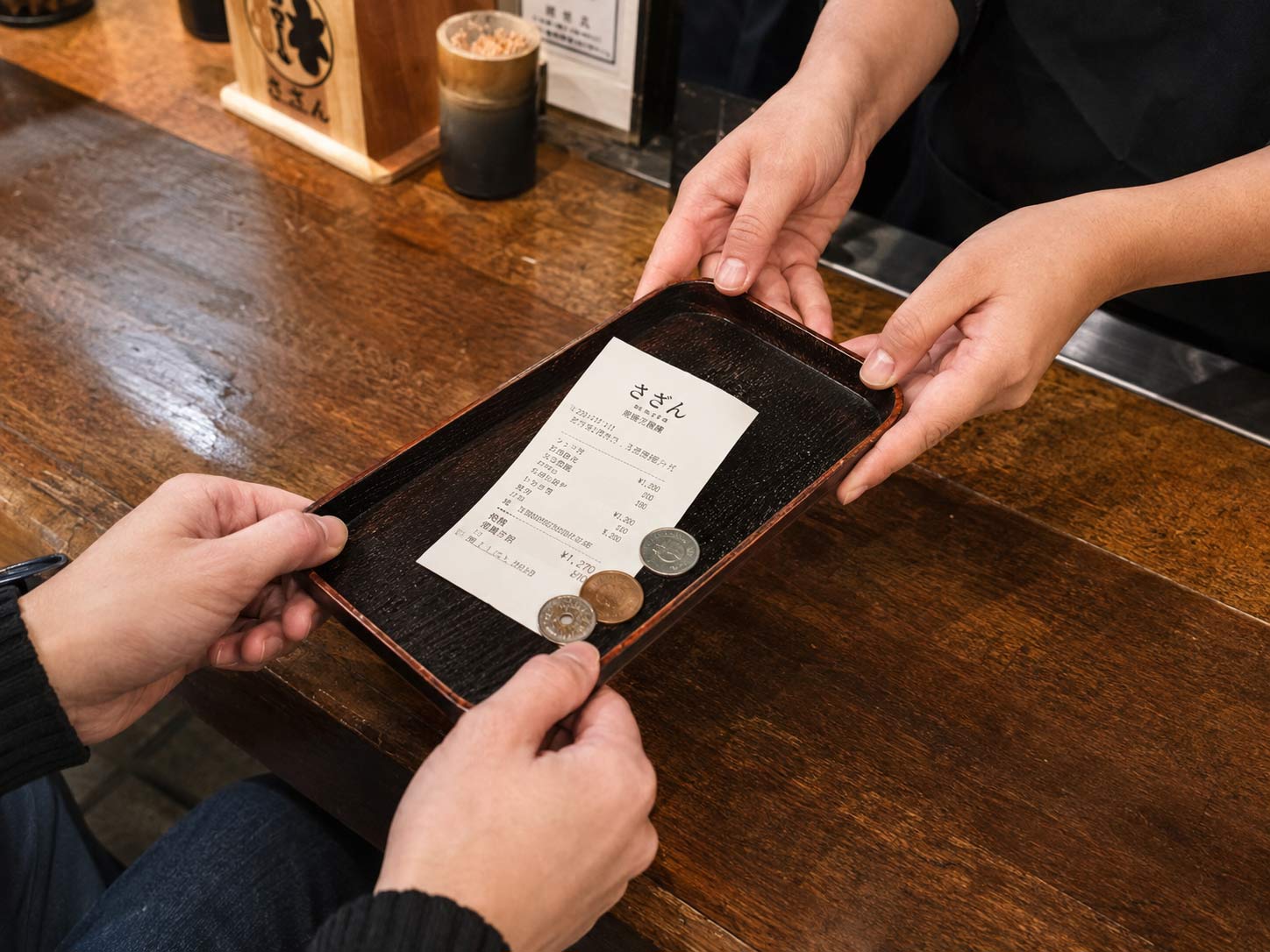
In Japan, excellent service is the standard, not something extra you pay for. Restaurant staff, taxi drivers, hotel workers, and shopkeepers take deep pride in doing their jobs well, and they do not expect a tip in return. Leaving extra money can actually cause confusion, and a server may even chase you down the street to return the cash you left, thinking you forgot it. It is not rude of them, it is simply that the money does not belong to them by custom.
Why Tipping Is Not the Custom
The idea runs deep in Japanese culture. Good, attentive service is considered a matter of respect and professionalism that everyone deserves, so singling someone out with a tip can feel awkward, as if you are suggesting their normal service needed a bonus to be worthwhile. Many prices also already include service, so what you see is what you pay. Understanding this helps you see that not tipping is not cheap or cold. It is the polite thing to do.
Common Situations, Cleared Up
It helps to know how this plays out in the places you will actually visit.
- Restaurants and cafes: no tip, and never leave coins on the table.
- Taxis: pay the metered fare; rounding up is not expected.
- Hotels: no tipping for housekeeping or the front desk.
- Bars and shops: pay the listed price and a simple thank you is plenty.
In nearly every everyday setting, the rule is the same: pay the amount shown, and offer a warm thank you instead of extra cash.
The Rare Exceptions
There are a few uncommon cases where a gratuity is accepted, and even these are handled with care. At a traditional inn called a ryokan, some guests give a small gift of thanks to a personal attendant, and private guides on multi-day trips are sometimes tipped. When it is done, the money is never handed over bare. It is placed inside a small, clean envelope and offered with both hands as a sign of respect. If you are ever unsure, it is perfectly fine to simply not tip.
How to Show Thanks Instead
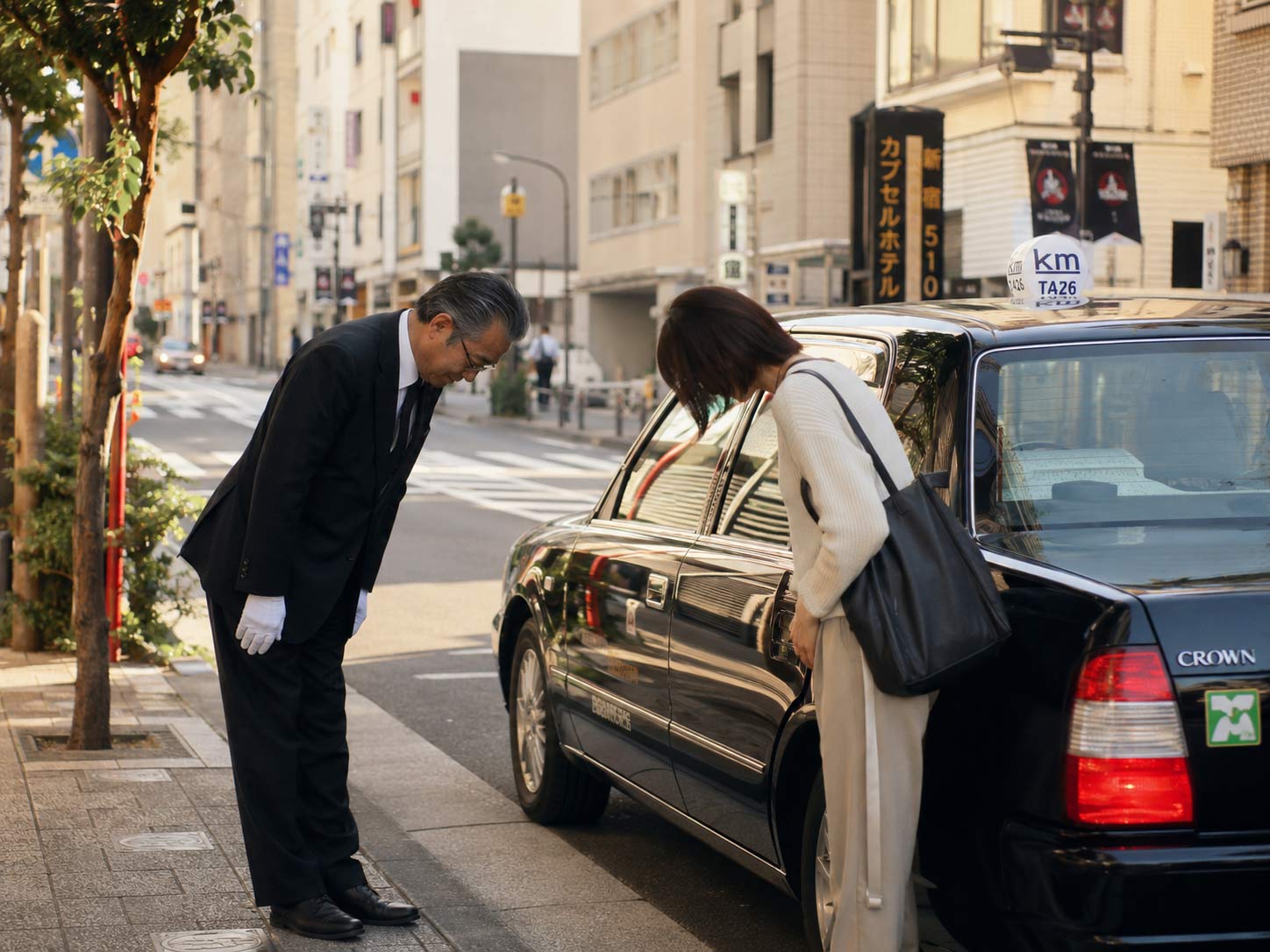
Just because you do not tip does not mean you cannot show appreciation. The most valued thing you can offer is genuine politeness. A sincere arigato gozaimasu, which means thank you very much, along with a small nod or bow, means far more than money in Japan. Treating staff with warmth and respect is the local way to say your service was wonderful.
Travel With Confidence
So, do you tip in Japan? In almost every case, no, and that is a lovely part of visiting. You can relax, pay exactly what is shown, and thank people with a smile and a bow rather than fumbling for extra change. On our guided tours, your English-speaking guide is always happy to help with these little cultural questions, so you can focus on enjoying Japan. Learn this one simple custom, and you will already feel like a thoughtful, respectful guest.